Contents
The Great Motoring Overhaul: Confirmed New Laws for 2026
Modernising Driving: Digital and Environmental Shifts
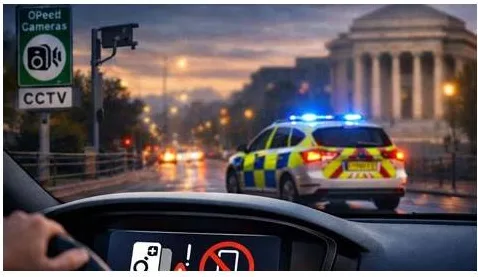
The focus in 2026 is not just on safety; it’s also on modernising the administrative and environmental aspects of motoring. The government is pushing forward with digital documentation and an aggressive zero-emission vehicle strategy. 4. Increased Use of Digital Driving Licence Records The DVLA is continuing its move towards a paperless system, and January 2026 will see an increased reliance on digital licence records. * Roadside Verification: This change will allow authorities, such as the police, to instantly verify a driver's licence status, endorsements, and entitlements during roadside checks using digital databases. * Phasing Out Paper: While physical licences will not be completely abolished, the increased use of digital records signals a clear shift towards a more modern, streamlined system, reducing the administrative burden on both drivers and law enforcement. 5. Stricter Zero Emission Vehicle (ZEV) Mandate Targets The UK’s ZEV Mandate is a crucial government policy requiring car manufacturers to sell an increasing percentage of zero-emission cars each year. In 2026, this target increases significantly. * The 52% Target: By 2026, car manufacturers must ensure that at least 52% of all new car sales are zero-emission vehicles (ZEVs). This is a substantial jump from previous years. * Impact on Consumers: This aggressive target will dramatically increase the availability and variety of electric and hydrogen vehicles on the market, driving down costs and improving charging infrastructure as manufacturers compete to meet the quota. Failure to meet the target will result in heavy fines for car makers. 6. New MOT Testing Standards and Rules The Driver and Vehicle Standards Agency (DVSA) has confirmed that new rules for MOT testers will be introduced from Friday, January 9, 2026. While the changes primarily affect the testers and the testing process itself, the knock-on effect for drivers could be significant. * Focus on Modern Vehicles: The updates are expected to focus on the testing of modern vehicle technology, including advanced driver-assistance systems (ADAS), electric vehicle components, and more complex emissions control systems. * Driver Preparation: Drivers will need to ensure their vehicles, particularly newer models, are in top condition to pass the potentially more rigorous checks, especially concerning software and electronic safety features.Proposed Laws: What Else Could Change in 2026?
Beyond the confirmed changes, several major proposals are under active government consideration and could be legislated in 2026, significantly altering the driving experience. These are not yet confirmed but represent a strong direction of travel for UK road policy. 7. Graduated Driving Licences (GDL) for New Drivers The government is seriously considering the introduction of a Graduated Driving Licence (GDL) system for new, young drivers to curb high accident rates. * Potential Restrictions: A GDL system could impose restrictions on newly qualified drivers for a set period (e.g., the first year). These restrictions might include: * A curfew on driving late at night (e.g., 11 pm to 5 am). * Limits on the number of young passengers they can carry. * A zero-tolerance approach to alcohol consumption (lower drink-driving limit). * Learner Driver Changes: In a related move, the driving theory test is also expected to be updated in early 2026 to include new questions related to CPR and other first aid procedures. Other potential, but unconfirmed, changes being discussed as part of the new Road Safety Strategy include stricter seatbelt laws and the introduction of a national Electric Vehicle Excise Duty (eVED) that would charge electric car owners a small fee per mile driven (e.g., 3p per mile for EVs).Key Entities and Topical Authority for UK Motoring Laws
To maintain topical authority on UK driving laws, it is essential to understand the key entities driving these changes:
- Driver and Vehicle Licensing Agency (DVLA): Responsible for driver licensing, vehicle registration, and the new rules for older drivers and digital records.
- Driver and Vehicle Standards Agency (DVSA): Oversees MOT testing and driving tests, including the new MOT rule changes and potential theory test updates (CPR questions).
- His Majesty's Revenue and Customs (HMRC): Manages Vehicle Excise Duty (VED) and the taxation changes for EVs and older petrol/diesel cars.
- Department for Transport (DfT): Sets the overall policy, including the ZEV Mandate and the proposed Road Safety Strategy (Graduated Driving Licences, lower drink-driving limit).
- Intelligent Speed Assistance (ISA): The technology now mandatory on new cars.
- Zero Emission Vehicle (ZEV) Mandate: The policy driving the 52% sales target for manufacturers.
- Vehicle Excise Duty (VED): The official term for road tax, which is being reformed.
- Congestion Charge: A specific charge in London where the EV exemption ends in late 2025, impacting 2026 driving costs.
The transition to 2026 marks a significant period for UK drivers. Staying informed about these legislative shifts—from the DVLA’s new rules for the over-65s and the HMRC’s VED reforms to the DfT’s ZEV Mandate—is crucial for compliance and financial planning.