Contents
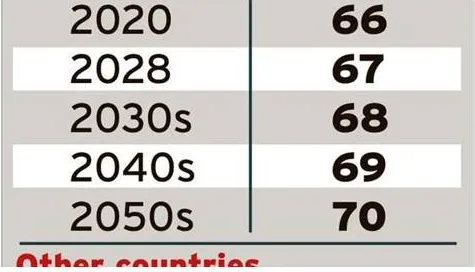
The Confirmed State Pension Age Timeline: 66, 67, and the Road to 68
The 2025/2026 State Pension Payment Increase: The Triple Lock in Action
While the age of retirement is a long-term concern, the amount of money current and future retirees will receive is an immediate financial update. The New State Pension and the Basic State Pension are set for a substantial increase in the 2025/2026 financial year, thanks to the Triple Lock mechanism. The Triple Lock guarantees that the State Pension increases each year by the highest of three measures: inflation (CPI), average earnings growth, or 2.5%. Key Financial Entities and Updates for April 2026: * Confirmed Increase: The State Pension will increase by 4.1% from 6 April 2026. * Basis for Increase: This figure is based on the Consumer Price Index (CPI) inflation rate recorded in September 2025. * Impact on New State Pension: This 4.1% rise means the full New State Pension will increase from its current rate to a higher weekly amount, providing a vital boost against the ongoing cost of living pressures. * Impact on Basic State Pension: The basic rate will also rise by the same percentage, benefiting those who retired before April 2016. This significant increase is a crucial piece of information for anyone currently retired or expecting to retire soon, as it directly impacts your annual pension income and purchasing power.What the State Pension Age Review Means for You
The government is legally required to conduct a State Pension age review every five years. These reviews, carried out by the Department for Work and Pensions (DWP) and the Government Actuary's Department (GAD), are the primary mechanism for determining future changes. The reviews consider factors such as: * Life Expectancy: The central driver of all changes. The goal is to ensure that on average, people spend a consistent proportion of their adult lives in retirement. The current expectation is that people should spend up to one-third of their adult lives receiving the State Pension. * Affordability: The financial burden on taxpayers and the long-term sustainability of the system. * Intergenerational Fairness: Balancing the needs of current retirees with the contribution burden on younger workers. The findings of these reviews, including the third review required by the Pensions Act 2014, are what inform the eventual decisions on the acceleration or confirmation of the timeline to 68. Any future change to the 2044-2046 timeline would only occur after a formal review and subsequent legislation.5 Essential Steps to Take Now for Your Retirement Planning
Given the confirmed and scheduled changes, relying solely on the State Pension is becoming an increasingly risky strategy. Taking proactive steps now is essential for securing your financial future.- Check Your Official State Pension Age: Use the official 'Check your State Pension age' tool on the government website. Do not rely on old assumptions. This is the single most important piece of information for your retirement date.
- Review Your Private Pensions: With the State Pension age rising, your private pensions and workplace pensions are more critical than ever. Check the age at which you can access these funds—it is often 55, rising to 57 in 2028, and is entirely separate from the State Pension age.
- Get a State Pension Forecast: Request a forecast from the government to see how much you are on track to receive. This will highlight any gaps in your National Insurance (NI) contributions that you may be able to fill to maximise your entitlement.
- Factor in the 'Income Gap': If you plan to retire at 66 but your new State Pension age is 67, you must financially bridge that one-year pre-pension income gap. This may require drawing down from savings or Pension Credit eligibility.
- Consider the Triple Lock Volatility: While the 4.1% increase for 2026 is positive, the Triple Lock is a political commitment that could be modified or scrapped in the future. Your financial planning should assume a more conservative rate of annual increase.