Contents
Understanding the State Pension Divide: Why the £562 Payment Exists
- The Old State Pension (OSP): This is paid to individuals who reached State Pension age before 6 April 2016. The maximum Basic State Pension is lower than the new rate, and benefits were built up through a combination of the Basic State Pension and the Additional State Pension (SERPS/State Second Pension). Many in this group, particularly women who took time out of the workforce, often receive lower overall payments.
- The New State Pension (NSP): This is paid to individuals who reached State Pension age on or after 6 April 2016. It is a simpler, single-tier system with a higher maximum full rate.
Clarifying the £562: Lump Sum or Annual Boost?
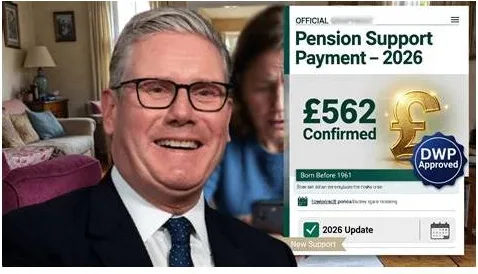
One of the most confusing aspects of the DWP's announcement is the exact nature of the £562 figure. Media reports have varied, causing uncertainty among pensioners. The Two Interpretations of the £562 Figure The figure of £562 is often presented in two ways, and it is vital to understand the difference to manage your expectations:- The "One-Off Payment" Narrative: Some news sources have widely reported the £562 as a brand-new, one-off cash payment or "boost." This narrative suggests a lump sum of money will be deposited into eligible pensioners’ accounts. While this is the most sensational interpretation, it is often misleading and requires careful verification.
- The Annualised Increase Value: The more accurate and widely accepted interpretation among financial experts is that the £562 represents the estimated annual total value of an increase in weekly State Pension and related support payments. This means the figure is not a single lump sum but rather the total extra money a pensioner could receive over a full year due to ongoing weekly increases and other targeted benefits. For example, if a weekly payment increases by an average of £10.80, the annual total would be approximately £562 (52 weeks x £10.80). This is a crucial distinction.
Eligibility, Key Dates, and Claiming Your Support
The targeted nature of this support means specific criteria must be met to benefit from the £562 financial uplift. Who Qualifies for the Support Payment? To be eligible for the financial uplift associated with the £562 figure, you must meet the following primary criteria:- Birth Date: You must be a State Pensioner born before 1961. This is the key cut-off date that places you under the Old State Pension system.
- State Pension Recipient: You must currently be receiving the UK State Pension.
- Residency: You must be a resident in the United Kingdom.
- Confirmation: The DWP confirms the details of the increase and eligibility criteria.
- Implementation Date: Many reports point towards October 2025 as the month when this new level of support or boost will begin to be paid out to eligible pensioners. This aligns with the beginning of the annual winter period when additional financial support is often introduced.
Maximising Your Financial Support: Related Entities
To ensure you receive the maximum possible financial support, pensioners should be aware of related DWP benefits that often work in conjunction with the State Pension. These benefits add to the topical authority and comprehensive nature of the support available:- Pension Credit: A means-tested benefit that provides a guaranteed minimum income. It is the most vital benefit for maximising overall DWP support.
- Winter Fuel Payment: An annual tax-free payment to help with heating costs, typically paid between November and December.
- Cold Weather Payment: Paid when the average temperature in your area is recorded as, or forecast to be, zero degrees Celsius or below over seven consecutive days.
- Housing Benefit: Available to help pay rent if you are a pensioner with a low income.
- Attendance Allowance: Financial support for people who have reached State Pension age and require care or supervision due to a disability or illness.
- National Insurance Contributions (NICs): The history of your NICs determines your final State Pension amount, which is the baseline for all subsequent support payments.